
Integration Discipline for Large-Scale Hydrogen Plants
Integration Discipline for Large-Scale Hydrogen Plants
Project integration determines whether the plant performs as intended. In large-scale hydrogen facilities, up to 35% of installed power supply cost is integration-driven: transformer configuration, grid interaction, layout constraints, logistics, installation sequencing and commissioning alignment. These factors determine schedule certainty, CAPEX control and bankability. NEYA systems are engineered as integration platforms, developed for execution inside complex industrial projects.
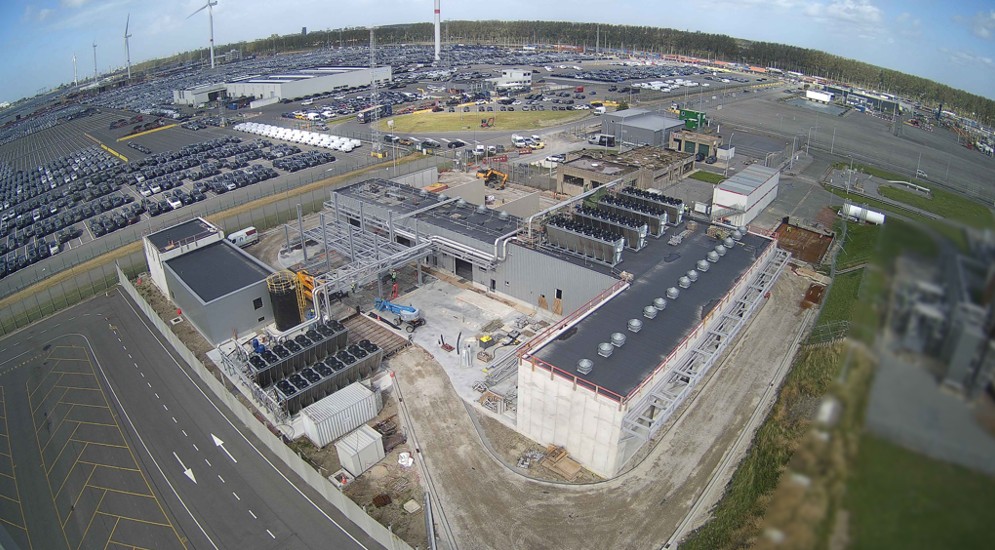
Built on Industrial Project Execution
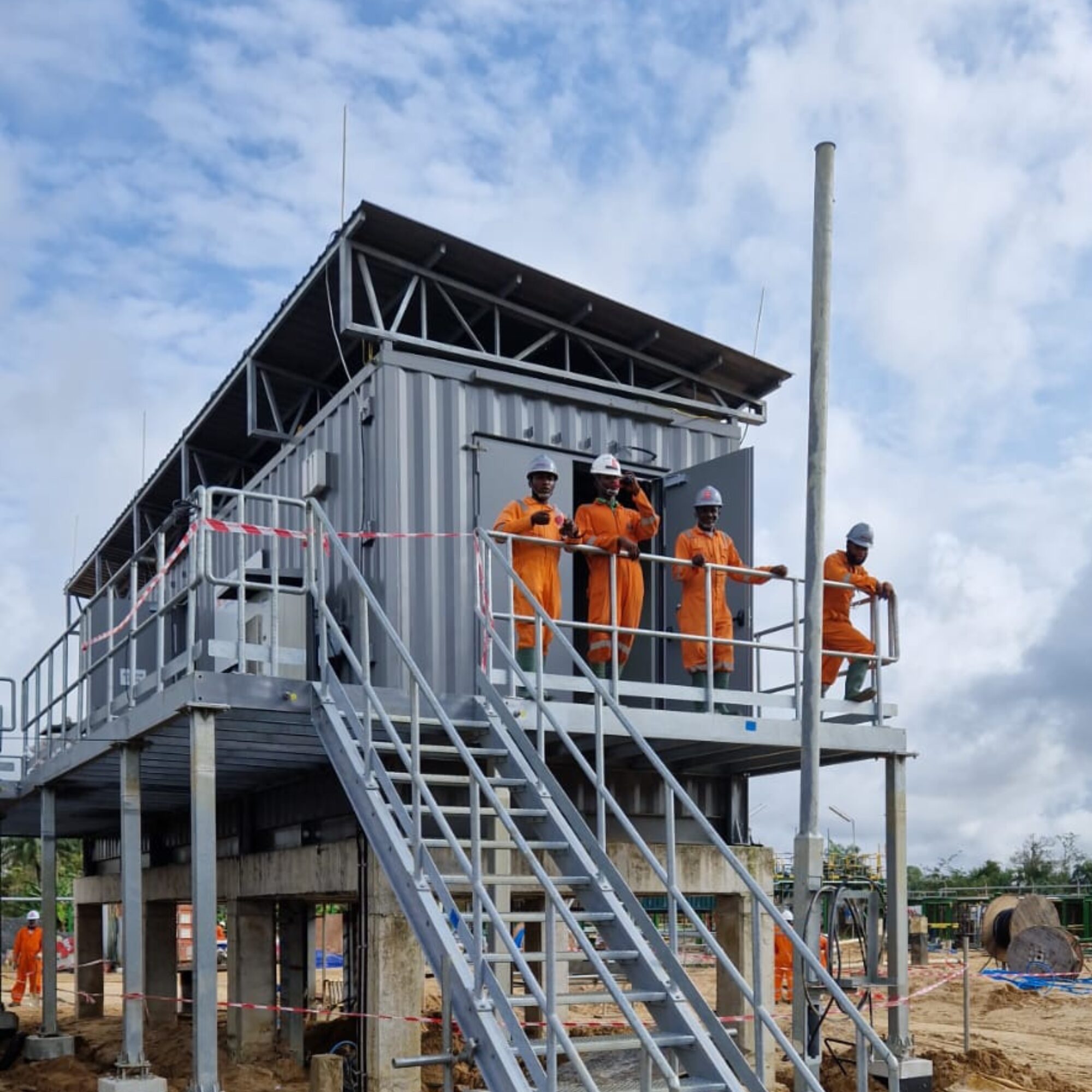
NEYA powered by VONK, with almost 90 years of experience in industrial environments where interface control is non-negotiable: Oil & Gas, Industry, Defense and Uranium Enrichment.
In those sectors, ambiguity creates delay. Delay creates risk. The same execution discipline is applied in hydrogen.
With systems operating in European hydrogen plants, integration methodology is not theoretical. It is based on realized projects and continuously refined through operational feedback.
For EPC contractors, this means structured scope definition and predictable engineering alignment. For OEMs, it means controlled interaction between electrolyser behavior and power supply performance.
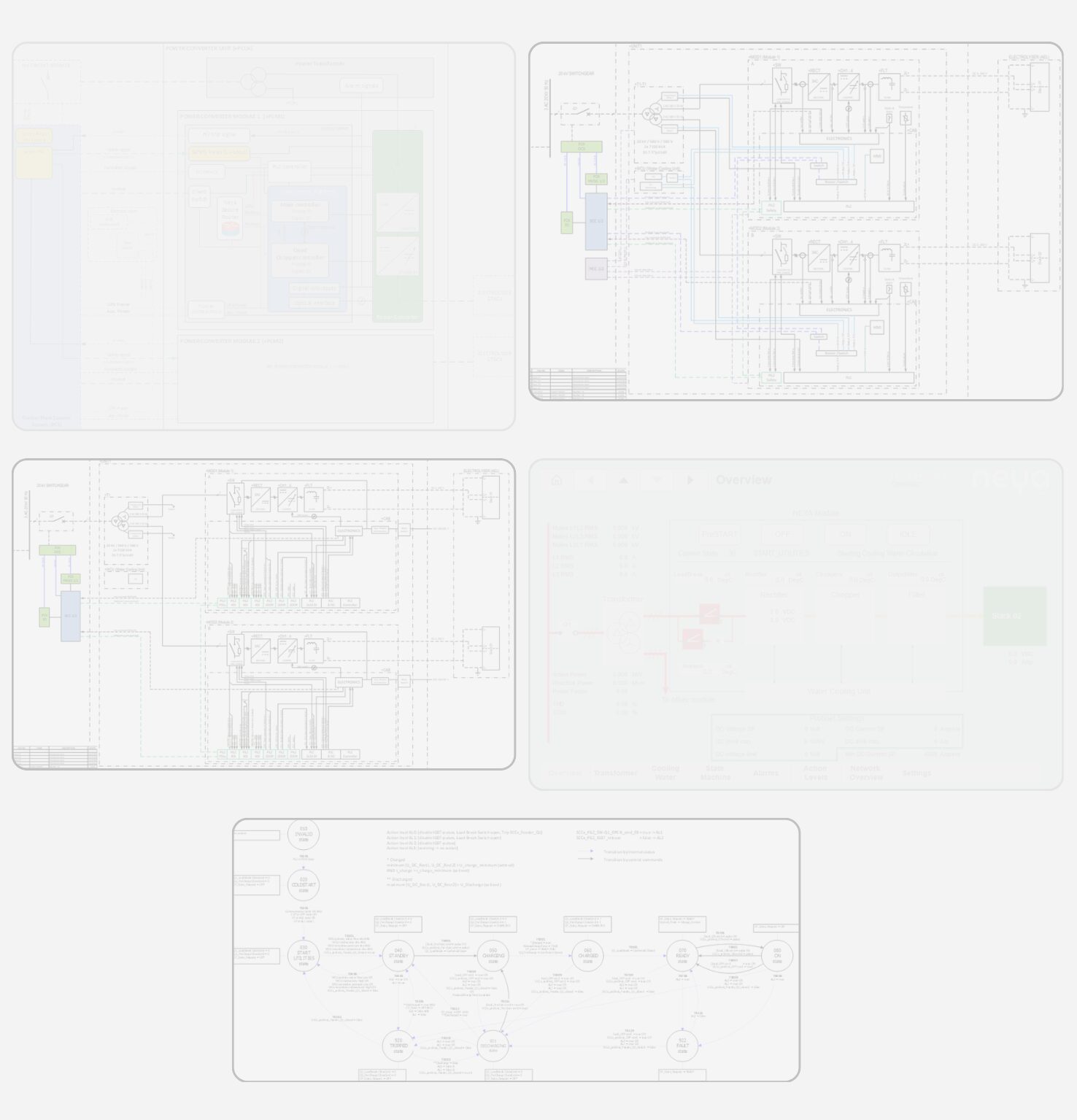
Interface Control as Risk Management
| In hydrogen plant execution, interface ambiguity is a primary risk driver. Integration engineering therefore starts early, before procurement decisions are fixed. |
Formalized alignment covers:
- Mechanical footprint and plot integration
- Transformer configuration and harmonic performance
- Grid compliance and short-circuit behavior
- Control architecture and communication protocols
- Safety interlocking philosophy
- Monitoring, diagnostics and performance logging
- FAT, SAT and commissioning sequencing
Clear interfaces reduce redesign, limit scope disputes and prevent late-stage site modifications.
Integration maturity is not documentation. It is risk control.
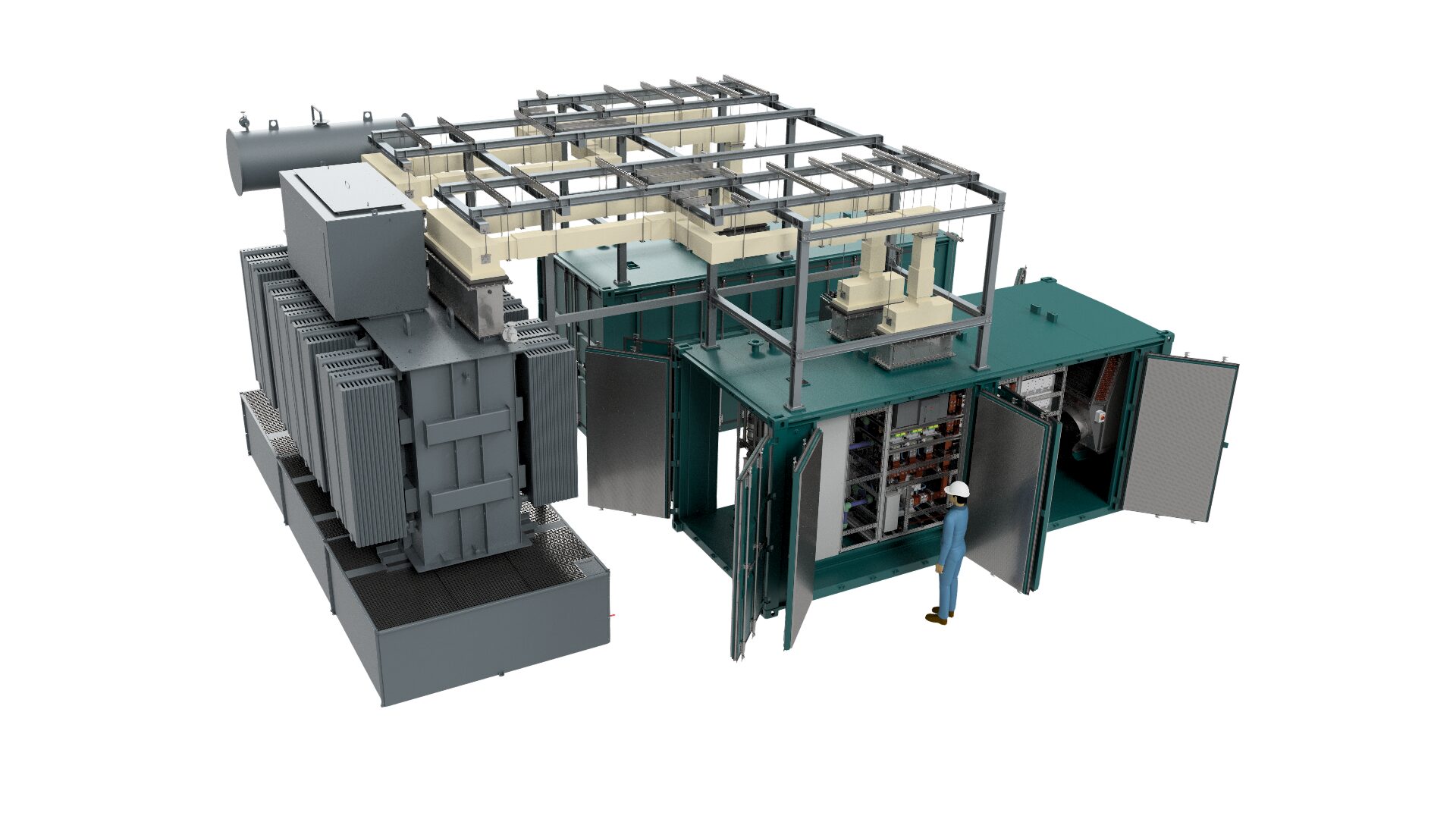
Transformer and Layout Engineering
Transformer configuration remains a defining system variable in hydrogen projects.
NEYA converters are compatible with multiple transformer architectures, aligned to:
- Grid conditions
- Redundancy philosophy
- Local compliance requirements
- Plant layout constraints
- OEM-specific preferences
Shared transformer configurations across multiple converters can reduce footprint, simplify plant architecture and improve efficiency.
These configurations are implemented in operational European hydrogen plants. They are not conceptual.
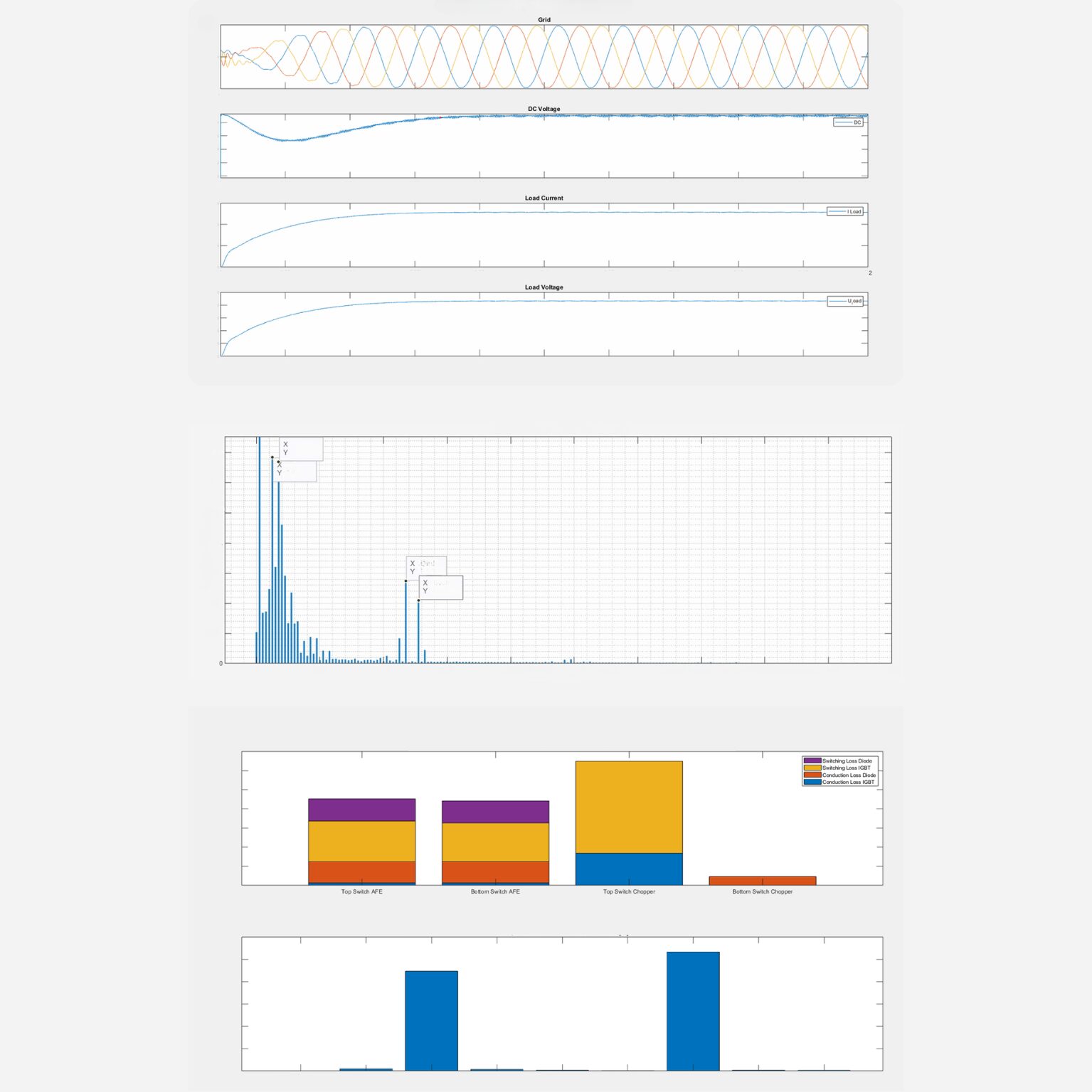
Alignment with Electrolyser OEM Platforms
Electrolyser technologies differ in load dynamics, ramping behavior and control philosophy.
Upstream alignment is essential.
VONK collaborates with electrolyser OEMs to define:
- Electrical performance envelopes
- Dynamic load interaction
- Control interface boundaries
- Safety and interlocking logic
- Diagnostic transparency
By resolving these parameters early, integration risk during construction and commissioning is reduced.
Integration Maturity as a Differentiator
NEYA systems are:
- Proven in European hydrogen installations
- Designed for large-scale deployment
- Engineered for structured interface definition
- Continuously improved through operational validation
- Developed to minimize technical and contractual uncertainty
For EPCs and OEMs, this translates into controlled execution, technically, operationally and commercially.
Discuss your integration scope with our engineering team.